The product
It reads the order the way a person would. Then it stops and lets a person check.
Not a template you configure per customer. Not an EDI project your accounts have to sign up for. It reads what turned up, in whatever shape it turned up in.
What arrives
Their part numbers. Their layout. Somebody has to read it.
What gets entered
PO 44831 · Northfield Mechanical
| Their code | Your SKU | Description | Qty |
|---|---|---|---|
| BRS-3/4-90EL | EL9034-BR | Brass elbow 90°, 3/4" | 48 |
| 1/2 CU TYPE-L | CU12L-10 | Copper tube type L, 1/2" | 120 |
| PTFE TAPE .5 | TP50-PTFE | PTFE thread seal tape | 36 |
| BALLV-1IN-FP | BV100-FP | Ball valve 1", full port | 12 |
One line flagged: two SKUs match BALLV-1IN-FP. Never Retype will not guess between them — a person picks, once, and it remembers.
How it works
Six steps. You do
exactly one of them.
- 01
Connect the mailbox and the order system
Read-only on the mailbox. It can see what arrives; it cannot send, delete or reply.
- 02
Every order lands in one queue
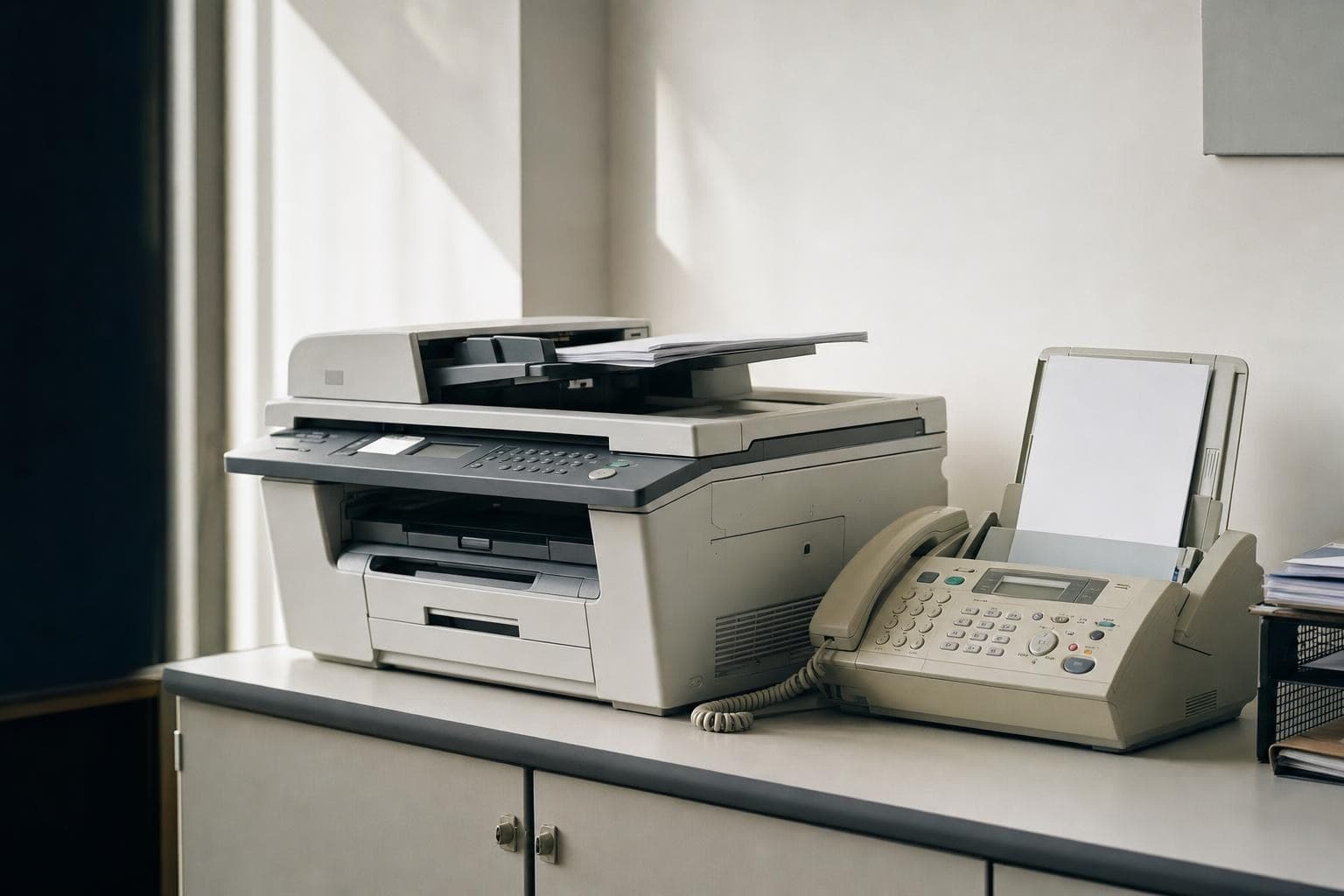
Attachments, email bodies, scanned faxes, photographs of paper. Including the customer who still sends a fax, because there is always one.
- 03
The software reads it
Customer, purchase-order number, every line, quantities, part numbers, the date they want it. The parts a person would read.
- 04
It matches to your catalogue
Their part number becomes your SKU — including the ones they get wrong, and the ones they have been getting wrong for years.
- 05
A person approves
Orders arrive as drafts, never posted straight through. Anything the software is unsure of is flagged rather than guessed.
- 06
It learns each customer's format
The first order from a customer needs a look. The hundredth needs nothing at all.
What it reads
Whatever your
customers send.
You are not going to persuade a forty-year-old account to change how they order. This removes the need to try.
- PDF attachments
- The common case, and the one everybody assumes is easy. It is not — a PDF is a picture of a table, not a table.
- Email bodies
- Orders typed straight into the message with no attachment at all.
- Scanned faxes
- Skewed, speckled, and still arriving in 2026 from customers who will not stop.
- Photographs of paper
- A phone picture of a signed order form, taken on a counter in bad light.
- Spreadsheets
- Every customer's columns in a different order, with their own headings.
- EDI that half works
- The feed exists but three quarters of the accounts never joined it.
What you'd look at
A morning queue,
already done.
This morning
41 orders in
| Northfield Mechanical | 44831 | 4 lines | Drafted | |
| Trellis Industrial | TR-99204 | 11 lines | Drafted | |
| Fax | Halstead Pipe | 8871 | 6 lines | Needs a look |
| Photo | Cobalt Fasteners | CF-0455 | 2 lines | Drafted |
| Bayline Distribution | BD-71180 | 18 lines | Drafted |
Catalogue matching
1 to ask about
Three ways the same customer writes the same elbow. All three now land on one SKU.
Hours not spent keying
250 hrs / month
It climbs. Each customer’s format is learned once and never has to be learned again.
Designs, not screenshots — the product is not built yet.
The rules it works under
Four promises that
are not configurable.
Order entry is a place where a confident mistake is expensive. These are the constraints that make the rest of it safe to switch on.
Nothing posts on its own
Orders land in your system as drafts. A person releases them. There is no configuration that changes this, because it is the reason security teams say yes.
Unsure means ask, never guess
When two SKUs both match a customer's code, it stops and asks. One quiet wrong guess costs more than fifty questions.
Read-only on the mailbox
It can see what arrives. It cannot send, reply, forward or delete.
Your data is yours
Your orders and your catalogue are never used to train anything that touches another company.
See it against your own orders.
The quickest way to judge this is to hand over a week of the messiest purchase orders you have and watch what comes back.