Never Retype

Who it’s for

Businesses whose customers will never send a tidy order.

The pattern is the same in every one of these: the orders are worth having, the customers are not going to change, and somebody in the building is paying for that with their afternoons.

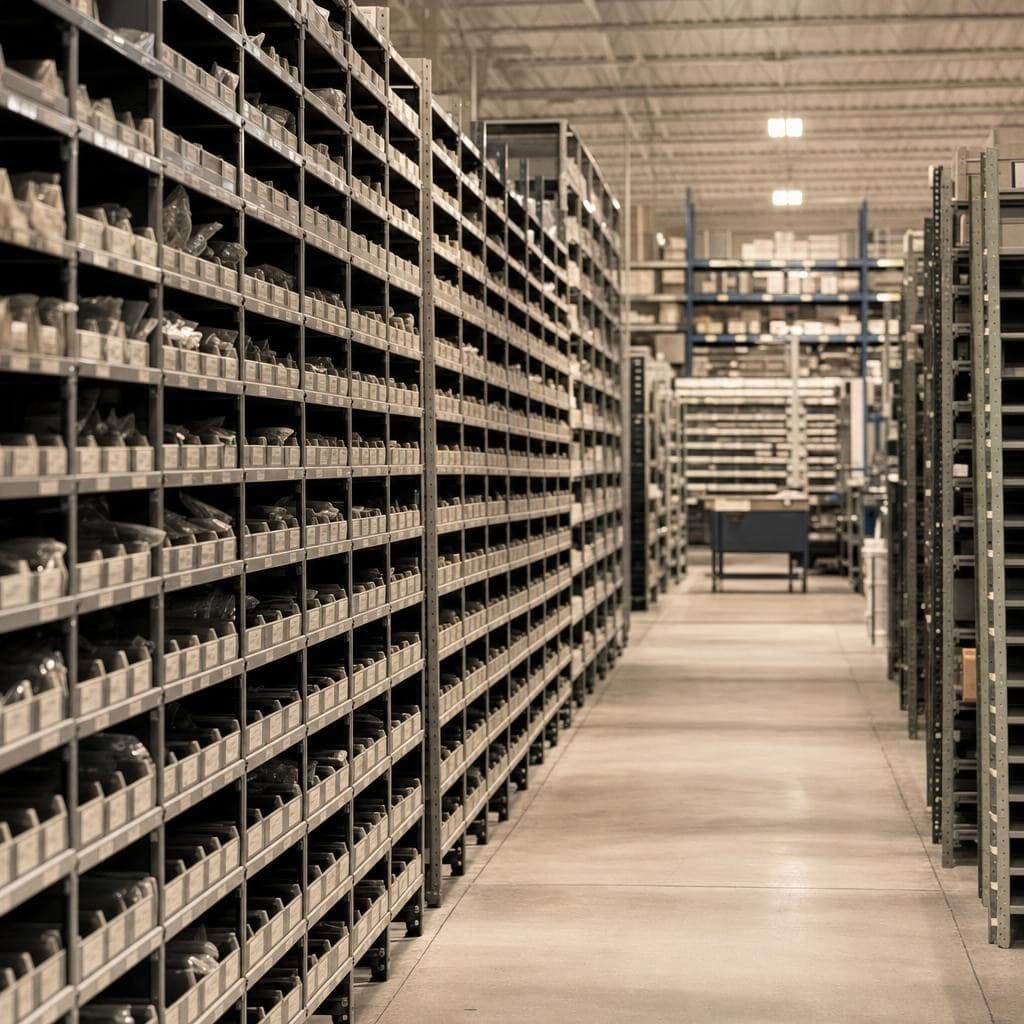
Rows of parts bins in an industrial distribution warehouse

Industrial & MRO distribution

Thousands of SKUs, customers who order by their own internal codes, and a counter that has always just typed it in.

The catalogue is the hard part here, not the reading. One maintenance customer might have four ways of writing the same bearing, none of them yours.

Crates of produce on a loading dock in early morning light

Food service & produce

Daily standing orders, short cut-off windows, and a mistake that cannot be fixed tomorrow because tomorrow it is compost.

Volume arrives in a two-hour band every morning. The cost of keying here is not the wage — it is the orders that miss the truck.

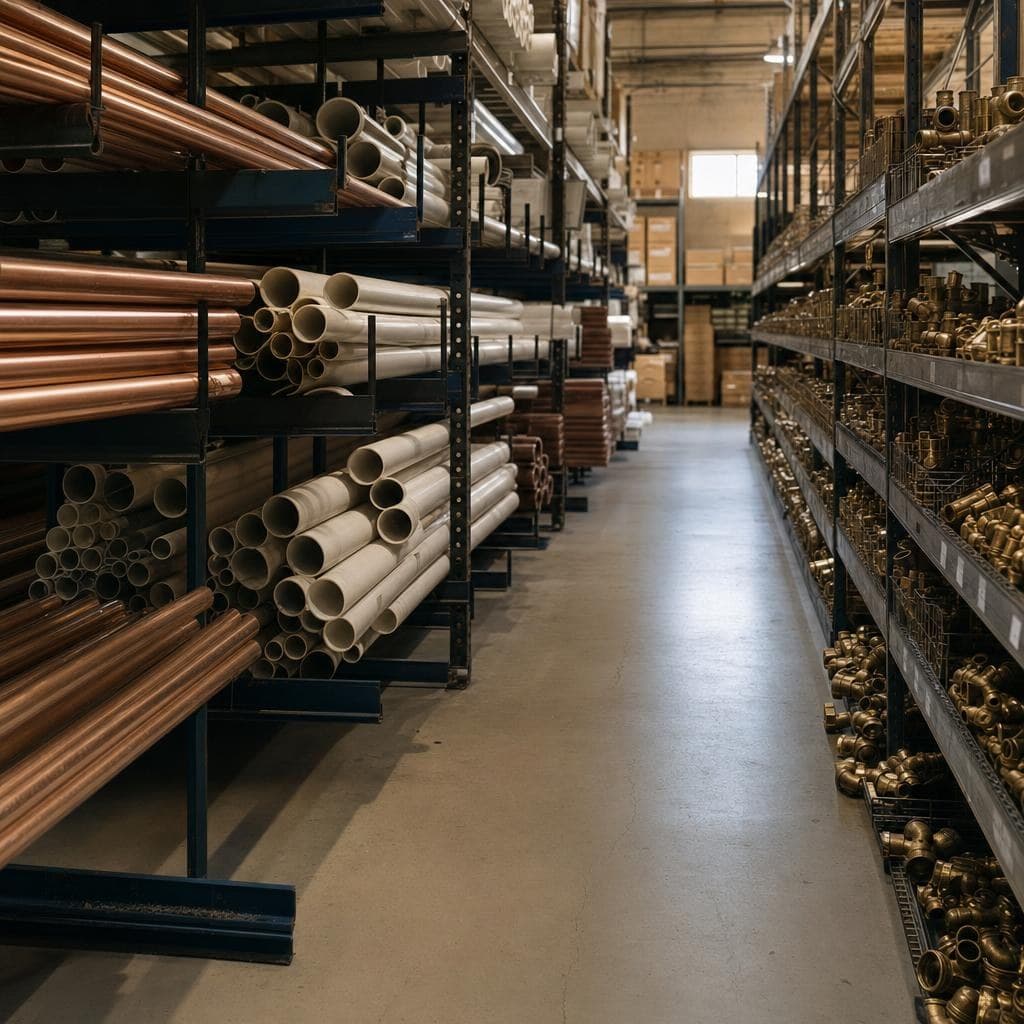
Stacked pipe and fittings in a plumbing supply warehouse

Building products & plumbing supply

Contractors ordering off a phone from a job site, often as a photograph of something handwritten.

This is where the photographed-paper case earns its keep. The order was written on a scrap on a tailgate, and it still has to become a picking list.

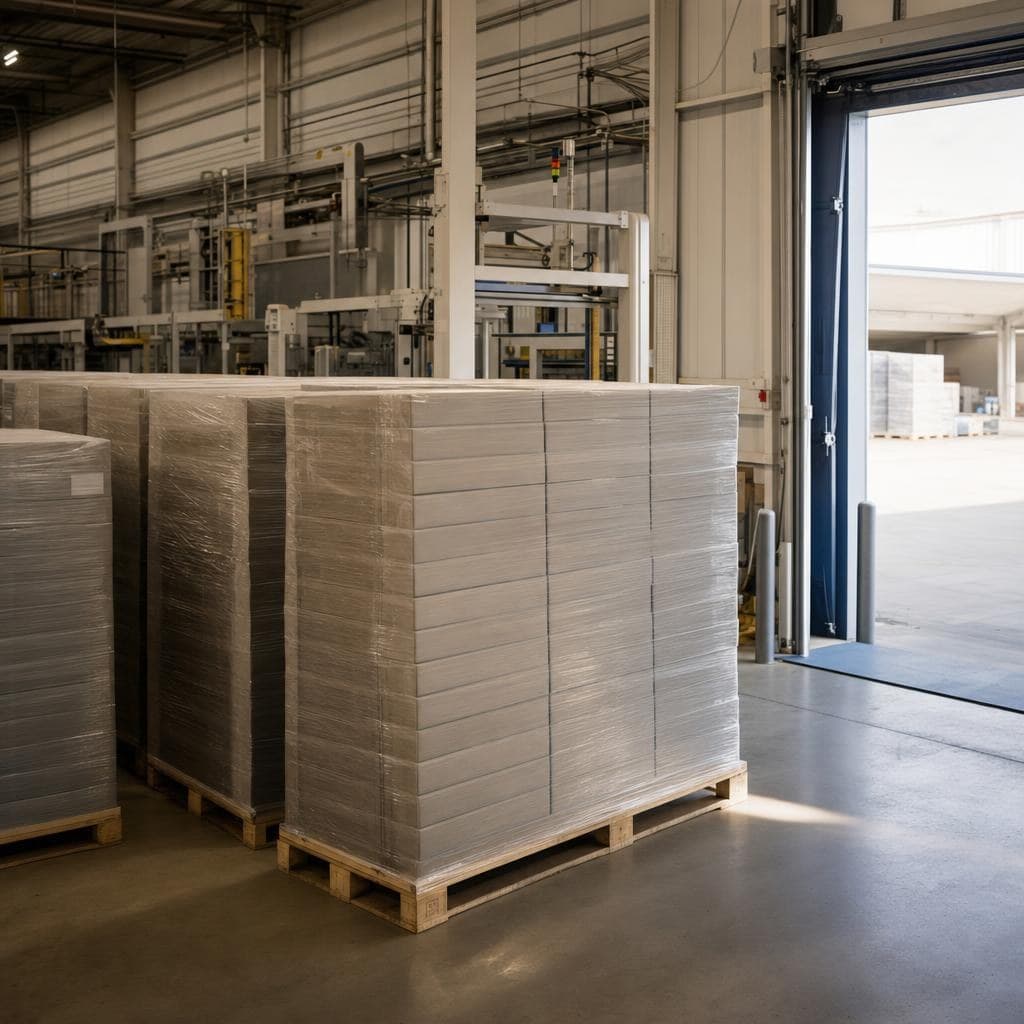
A manufacturing floor with finished goods staged for shipping

Manufacturers with dealer networks

Dealers and reps sending orders on their own forms, each convinced theirs is the standard one.

You cannot mandate a format across a dealer network without losing dealers. So you accept all of them, and somebody pays for that in keystrokes.

Is this you

Six signs the typing
has got expensive.

Two or more of these and the arithmetic on the calculator page will not be close.

  • Somebody's job title is effectively 'order entry'.
  • Orders arrive in more than three different formats.
  • A customer still faxes, and you have stopped trying to change it.
  • The order desk has a backlog by Monday lunchtime.
  • You have shipped the wrong thing because of a typo this quarter.
  • Your EDI project covers your biggest accounts and nothing else.

Not sure you have enough volume for this?

Put your real numbers in. If the figure is small, we will tell you it is small — this is not worth buying to save four hours a month.